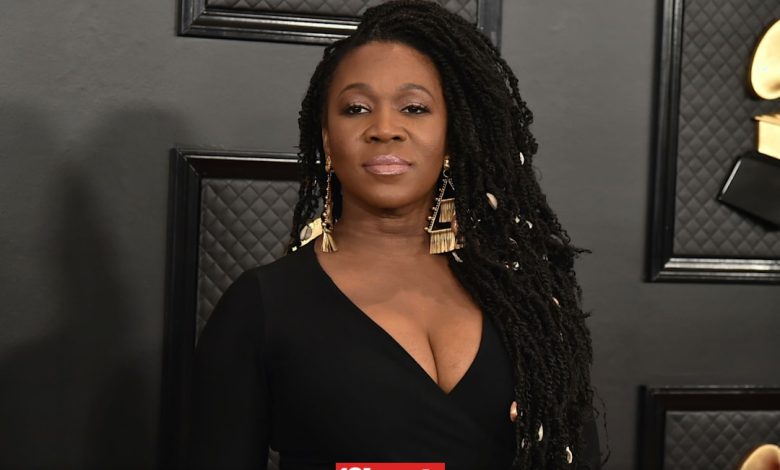
Uncle Luke—the 2 Live Crew legend who pioneered Miami bass and Florida hip-hop—just entered the Yung Miami “Spend Dat” culture war, and he’s swinging hard at 4-time Grammy winner India.Arie.
The Miami icon went live to defend Caresha and her summer anthem, dismissing India.Arie’s criticism of the viral hit as a negative influence on listeners as straight-up “Black on Black crime.” Luke’s not holding back. In his statement, he made it clear: the Afrocentric artists criticizing “Spend Dat” are gatekeeping what art should look like.
“They are always jumping into the conversation of wanting art to be created like their art,” Luke said, according to the source article. “If anybody lived in the world of Jill Scott, and all music was Jill Scott, and India Arie, and all Afrocentric, we would be bored as f**k.”
It’s a wild take—Luke’s essentially saying that the neo-soul police are trying to homogenize hip-hop. He even made a broader point about how Black artists get dragged for every lyric while other communities never scrutinize each other the same way. “It’s always Black on Black crime,” he stressed, pointing out that White artists and White audiences don’t hold these kinds of public crucifixions.
For context: “Spend Dat” was released on April 24, 2026, and in the song, Yung Miami centers on her luxury and independence. The song has become Yung Miami’s highest-charting solo hit of her career, debuting at #66 on the Billboard Hot 100—though it’s now climbed higher as controversy has only amplified the buzz.
India.Arie slammed Yung Miami’s viral hit “Spend Dat” as a negative influence on listeners after a Threads user shared their disgust with the song, which climbed up the Billboard Hot 100 at No. 25. Singer Nicci Gilbert wasn’t as kind as Arie, pretty much calling “Spend Dat” “low vibrational ass music”. Luke’s Miami rap legend ally Trick Daddy already went nuclear on both women, calling them out for jealousy.
But here’s what matters: Luke is invoking a real free-speech legacy. 2 Live Crew’s parody of Roy Orbison’s “Oh, Pretty Woman” was the subject of a 1993-1994 lawsuit argued before the U.S. Supreme Court, with the Miami New Times describing Campbell as “the man whose booty-shaking madness once made the U.S. Supreme Court stand up for free speech”. This isn’t his first rodeo defending controversial hip-hop lyrics.
The real tension here is generational and philosophical. India.Arie built her brand on empowerment anthems—”Video,” “I Am Not My Hair”—about self-worth beyond materialism. Yung Miami’s rap is about flexing, scamming, boosting, and spending it all. These are two different languages in the same culture, and the debate is whether rappers have the right to their narrative without constant moral audits from elders.
The 16BARS take: Uncle Luke’s right that there’s a double standard in how Black artists get policed, but he’s missing the point—India Arie isn’t wrong to engage with art’s influence. The real problem is that she and Nicci Gilbert used public shaming instead of dialogue. Art deserves critique, but so does the culture of crucifying artists before understanding them. Let the song exist; let the criticism exist. That’s the freedom Luke actually fought for.