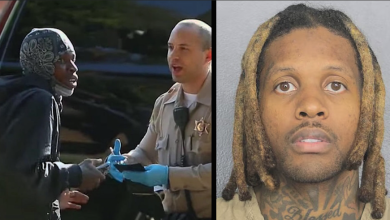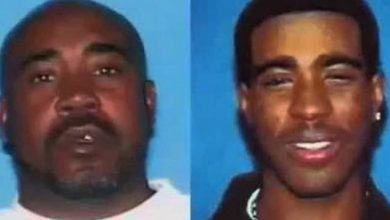

Prodigy’s estate has filed a multimillion-dollar lawsuit against Havoc, alleging that the Queensbridge producer has withheld the estate’s share of profits generated under the Mobb Deep name since Prodigy’s death in 2017. The suit claims Havoc has performed at least 172 shows billed as Mobb Deep since Prodigy’s death on June 20, 2017, and earned more than $1 million in merch sales, but the estate has not received any profits.
The complaint names Havoc, whose real name is Kejuan Muchita, along with his companies HClass Entertainment Inc. and Kejuan Muchita Inc. The estate owns 50% of Mobb Deep LLC, yet Havoc assumed control of the company, excluded the estate from management decisions, and failed to provide financial records or distribute its share of earnings.
The lawsuit accuses Havoc of diverting Mobb Deep business opportunities and revenue through his separate companies rather than the jointly owned entity. The estate is seeking financial accounting, return of Prodigy’s master recordings, and unspecified damages.
Prodigy died at age 42 of complications from sickle cell disease. Nearly a decade later, his recordings, performances, and contributions to Mobb Deep continue to generate commercial interest. From the East Coast beef with Tupac to their influence on a generation of producers, Mobb Deep’s stamp on hip-hop is permanent. What’s contested now is whether Prodigy’s widow and his estate get to benefit from the work he left behind.
The timing hits different. In October 2025, Havoc released Infinite, the group’s first studio album since Prodigy’s death, featuring previously unreleased vocals from the late MC and production from Havoc and The Alchemist. Havoc acknowledged receiving permission from Prodigy’s estate to use those recordings, although he specified that the agreement concerned that particular album. That meant the album itself was locked in, but it doesn’t address the 172 tours, the merch money, or the catalog. The estate’s argument is straightforward: if Prodigy owns half the company, his family owns half the revenue.
Havoc responded to the lawsuit on Instagram, saying “the truth gets to come out” and expressing hope they can “settle things amicably.” He didn’t deny the numbers, only the framing. The question hanging over this is whether his response means he’s willing to open the books, or whether “amicable” just means lawyers working out a settlement before a judge forces him to.
The 16BARS take: When a duo creates something worth millions and one person dies, the other person doesn’t get to decide unilaterally that the dead man’s family isn’t owed anything. If Havoc wants to keep performing as Mobb Deep, that’s his right. But that money belongs to Prodigy’s legacy, full stop.
Your turn: Should Havoc have been splitting profits with the estate all along, or does a surviving partner have the right to run the business however they want after their partner passes?