After 30 years of cold case silence, the Tupac murder trial is underway—and a ballistics expert just provided the prosecution’s clearest forensic win yet. All seven shell casings recovered from the 1996 Tupac Shakur shooting came from a single firearm, a crucial piece of evidence against 63-year-old Duane ‘Keffe D’ Davis. This isn’t just a tech detail. It rewrites the shooting’s mechanics and crushes the theory that multiple guns—or multiple shooters—were involved.
Here’s the setup: On September 7, 1996, hours before the shooting, a brawl broke out at the MGM Grand between Tupac’s entourage and Crips-affiliated Orlando “Baby Lane” Anderson—Keefe D’s nephew. Security video captured it all. Fast-forward a few hours: One shooter fired multiple rounds from a white Cadillac that pulled alongside Tupac’s BMW on the Las Vegas Strip. Tupac died six days later on September 13, 1996.
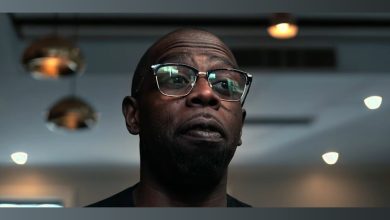
For nearly three decades, the case went nowhere. Davis is the first person to be prosecuted for the killing—and the indictment was built entirely on his own words. In his 2019 memoir “Compton Street Legend,” Davis placed himself in that Cadillac, claiming he sat in the front passenger seat and passed a gun to the back. At the center of the prosecution is a man who spent years publicly placing himself inside the Cadillac. Keefe D is charged with murder with a deadly weapon with the intent to promote gang activity. Prosecutors say the former South Side Compton Crips leader helped organize the attack as retaliation for the beating of his nephew.
But here’s the legal wrinkle that matters: Davis is not charged with pulling the trigger. Under Nevada law, prosecutors can pursue a murder charge against someone accused of helping arrange a killing, even if another person pulled the trigger. So the state’s job is to prove he orchestrated it—not that he fired it. The ballistics testimony strengthens that narrative by establishing a single, coordinated attack, not a chaotic spray from multiple guns or shooters. The expert analysis of the shell casings, consistent with a .40-caliber Glock, established that the weapon used in the fatal drive-by shooting was a single gun, not multiple firearms as some theories had suggested.
Keefe D’s defense counters that his confessions were “for entertainment purposes”—a laughable claim after years of interviews, podcast appearances, and that published memoir. In an interview with The Art of Dialogue, Davis said “They ain’t got no evidence”, but the ballistics expert testimony, combined with MGM surveillance footage of the Anderson beating and testimony about gang protocol, is building a wall around him.
The shell casing analysis adds to the growing body of evidence presented during the trial, which has included autopsy photos showing Tupac was struck by multiple bullets, testimony from witnesses about the confrontation at the casino, and accounts from people present during the shooting. Each piece alone doesn’t guarantee conviction—but together, they paint a picture of premeditation and orchestration, not spontaneity.
The culture has been waiting 30 years to know who killed Tupac. The ballistics evidence just told the jury that one gun, one trigger, one moment—but allegedly, a plan that belonged to the man in the front passenger seat.
The 16BARS take: Ballistics don’t lie, and Keefe D’s own memoir is becoming the prosecution’s best witness. This trial isn’t about who pulled the trigger anymore—it’s about who set up the kill, and the evidence is tightening.