Killer Mike’s Greenwood banking program shuts down November 19, moves to Ben Crump’s DreamFi

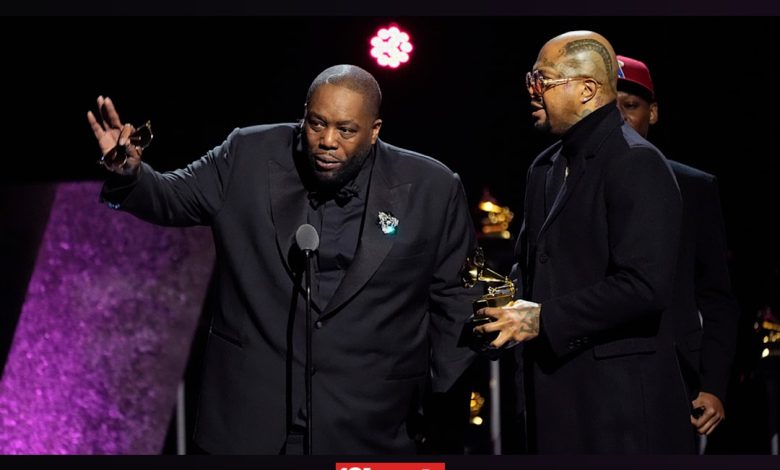
Killer Mike’s attempt to build a Black-owned banking empire just hit a major wall. After six years, Greenwood, the digital bank co-founded by the Atlanta rapper, former Mayor Andrew Young, and Bounce TV founder Ryan Glover, officially shut down its banking program on November 19, 2026, leaving thousands of customers to scramble and retrieve their money by paper check.
The closure came quick. All debit cards stopped working. Direct deposits stopped working. Bill payments, transfers, everything froze the moment the clock hit the end of that day. Any money that hit a Greenwood account after November 19 got sent back to the sender. For people who’d built their financial lives on the platform, it felt like the rug got yanked.
“Killer Mike helped launch Greenwood to give Black and Latino customers another place to bank,” the original pitch read back in 2020. That year, the trio rolled out the platform after raising $3 million in seed money, eventually pulling in $88 million total to build what they said would be “modern banking for the culture.” Greenwood wasn’t a bank itself. It was a fintech app that partnered with Coastal Community Bank to handle the actual banking. But the mission stuck: a financial platform built by and for Black and Latino communities, one that donated portions of debit card spending to civil rights orgs, and that could help close the wealth gap.
So what killed it?
Greater strategy. In October, Greenwood announced it was shifting its entire operation to partner with DreamFi, a fintech platform co-founded by civil rights attorney Ben Crump. Crump’s name carries weight in Black America. He’s the attorney behind George Floyd’s family settlement, Breonna Taylor’s case, and a string of landmark civil rights victories in courtrooms across the country. The pitch from Greenwood was that the mission lives on under a bigger, stronger umbrella.
“This partnership between Greenwood and DreamFi ensures that the important work will grow,” Andrew Young said in the announcement. Ben Crump added: “From day one, Greenwood has been about more than banking. It’s been about economic justice and creating opportunities for wealth creation in communities that have been historically excluded.” But here’s the thing nobody’s saying out loud: Crump’s platform isn’t giving Greenwood members a free ride. DreamFi costs $9.99 a month after the first 30 days. And Greenwood isn’t auto-transferring anybody’s money or account info. If you want to stay in the ecosystem at all, you’re choosing to apply to DreamFi on your own, knowing full well you’re walking into a subscription model.
Customers had until November 24 to confirm their mailing address so Coastal Community Bank could send them checks by December 2. If you didn’t, you’re waiting longer. And you can still pull your statements through December 22. Anybody who made interest in 2026 gets a tax form by January 31, 2027. It’s all technically clean, all technically legal. It’s also technically leaving 500,000 people who signed up for Greenwood’s original wait list in 2020 without the platform they believed in.
What’s wild is that Greenwood raised massive capital. After seed funding, Truist Ventures led a $40 million round in 2021. Pendulum Holdings led another $45 million in 2022. That’s $88 million that was supposed to fix the broken banking system for Black America. Six years later, the fix got restructured into something else.
The 16BARS take: Greenwood felt like a moment. Killer Mike, one of hip-hop’s most politically conscious voices, actually building wealth infrastructure instead of just rapping about it. That was rare. But fintech is brutal, capital is cold, and pivoting to a partnership with Crump’s DreamFi feels less like evolution and more like a quiet surrender. The language from Greenwood and Crump is beautiful (“economic justice,” “creating opportunities for wealth creation”), but the customer experience is a subscription paywall and a check in the mail. Black banking infrastructure still doesn’t feel like it’s staying in Black hands for long.
Your turn: Was Greenwood’s shift to DreamFi the right move to keep the mission alive, or did it sacrifice the original idea of building something truly independent for the community?