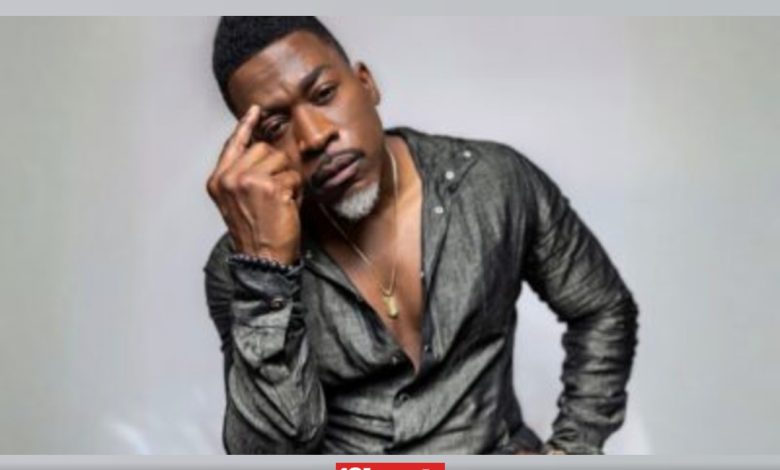
David Banner wants rappers with podcasts to actually use them for something. Speaking to Chuck “Jigsaw” Creekmur at AllHipHop this week, the Mississippi legend didn’t hold back on what he sees as a wasted opportunity, saying podcasts have become platforms for nothing.
“Think about all the f**king podcasts we have now,” Banner laid out. “Just every rapper has a podcast. This is the least amount of information that has been disseminated amongst people, and we got more microphones in front of us and ain’t nobody talking about sh*t.” He went further, noting that in all those hours of streaming, he hasn’t heard rappers diving into African culture, Indigenous history, or what’s actually happening in politics. The frustration in his voice came through. If you’ve got millions of listeners tuning in, what exactly are you doing with that reach?
This isn’t random noise from Banner. He’s been walking this talk for two decades. When he dropped Mississippi: The Album in 2003, he didn’t use it for feel-good rap stories. “Like a Pimp” with Lil’ Flip and “Cadillac on 22’s” were actual statements. He opened “Cadillac on 22’s” rapping about Andre Jones, who died in a Mississippi jail, and Raynard Johnson. Those weren’t throwaway bars. That was a 25-year-old rapper from Jackson choosing to amplify the unheard.
By 2007, Banner had leveled up his platform entirely. He testified before Congress on the House Energy and Commerce subcommittee, standing in a pinstriped suit telling lawmakers that rap music wasn’t the problem. It was a reflection of real American conditions. While other rappers either kept their heads down or stuck to safe material, Banner said what needed saying: “If by some stroke of the pen hip-hop was silenced, the issues would still be present in our communities.” He didn’t dodge. He didn’t equivocate. He defended the genre and the people it represents.
That same energy had fueled Heal the Hood, Banner’s nonprofit that worked with people affected by Hurricane Katrina when most of the culture had moved on. This isn’t a guy who talks about consciousness for clout. This is someone who actually put resources and time behind the words.
So when Banner looks at the current podcast landscape and sees hundreds of shows doing nothing but… existing, it hits different. He’s not saying rappers can’t have fun or tell rap stories. But he’s asking the obvious question: why have you built all these platforms if you’re not building anything with them? Every rapper from the biggest names to the mid-tier hustlers has a show now. Some of them pull serious numbers. And according to Banner, the conversation stays surface level.
The interview with Jigsaw got deep. They talked about new music, the people Banner’s working with, what it costs to speak freely in an industry that profits off silencing certain voices. And then it shifted to this: rappers built more infrastructure than ever before, but they’re using less of it to actually push consciousness, education, or anything that matters beyond the next episode’s entertainment value.
Banner’s not anti-podcast. He’s pro-purpose. And that’s the real critique here.
The 16BARS take:
Banner’s right, but he might be asking the wrong people. The rappers with the biggest platforms often got there by avoiding exactly the conversations he’s pushing for. If you built your brand on staying light and entertainment-focused, adding serious political and cultural talk isn’t a pivot. It’s a rebrand that could cost you an audience. Some rappers will never use their microphones for the work Banner describes because they never intended to. That was the trade-off they made.
Your turn:
Is Banner being unfair to rappers just trying to build a business, or do artists with millions of listeners have an obligation to use their platforms for something deeper?