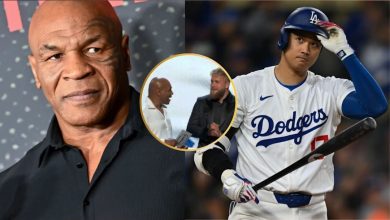
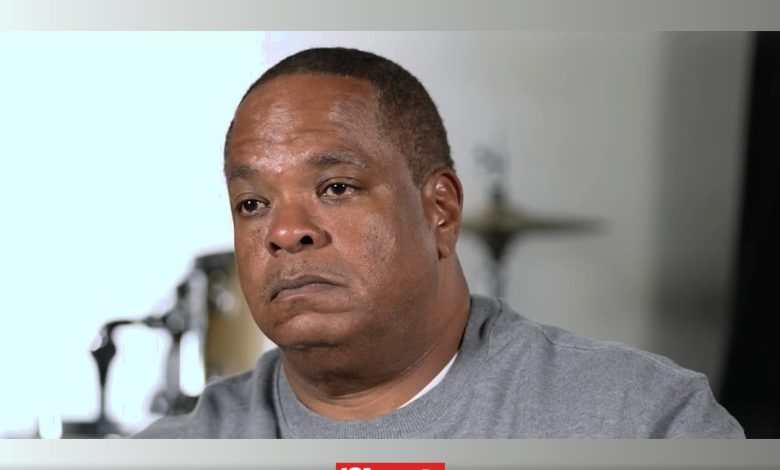
Lance “Un” Rivera says Jay-Z knows he couldn’t have used none of Biggie’s rap lyrics if Biggie was alive and says Biggie would’ve tore up Jay-Z for biting his rap lyrics.
(🎥 The Art Of Dialogue/YouTube) pic.twitter.com/ppowk3TGbu
— The Art Of Dialogue (@ArtOfDialogue_) July 7, 2026
😳 Lance "Un" Rivera shares an open letter to JAŸ-Z following the insanely richer than you’ll ever be rapper’s Roots Picnic freestyle —the second time he’s publicly dissed the music executive and once business partner of the late Notorious B.I.G.: pic.twitter.com/zwj9yLjYqS
— Darryl Potter (@_darrylpotter) July 6, 2026
Twenty-seven years. That’s how long Lance “Un” Rivera has had to live with a nightclub stabbing that Jay-Z keeps turning into bars.
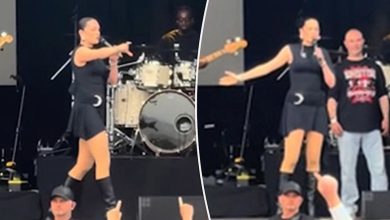
During a recent appearance on The Art of Dialogue podcast, the former Roc-A-Fella associate and one-time business partner of The Notorious B.I.G. didn’t mince words: Jay’s latest references to their December 1999 Kit Kat Club altercation—including a recent Roots Picnic freestyle where he made stabbing motions while rapping about Un—have to stop. Rivera didn’t ask nicely. He released an open letter, posted it to Instagram with a sarcastic jab (“30 years later and you still rapping about me. I’m flattered”), and then doubled down in the interview by framing it as a business issue, not a moral one. “Unless you’re going to pay me, send me a check,” he said. “I’ll be a part of your marketing strategy.”
Let’s set the scene. December 2, 1999. Q-Tip’s Amplified album release party at Manhattan’s Kit Kat Club. The beef stemmed from rumors that Rivera had leaked Jay-Z’s eagerly anticipated Vol. 3… Life and Times of S. Carter album weeks before its official drop. Jay showed up to the party, confronted Rivera—allegedly telling him “you broke my heart”—and things escalated. Rivera claims he got surrounded by a group of people with multiple weapons and ended up stabbed (though notably, in 2023, Rivera cleared Jay of actually being the one who stabbed him, suggesting someone in Jay’s crew was responsible). Jay turned himself in the next day and faced potential felony charges that could have landed him 15 years in prison. In October 2001, he pleaded guilty to third-degree misdemeanor assault and received three years probation.
That was supposed to be closure. Instead, Jay transformed the incident into a recurring motif in his catalog. He rapped about it on “I Did It My Way” (2002), “Dear Summer” (2005), and even the introspective “Kill Jay Z” (2017). Each reference served a purpose: building or reinforcing his street credibility, his willingness to handle his business, his toughness. For a rapper building a billionaire empire, that narrative matters. It’s the origin story of a man who didn’t take disrespect.
But here’s where Rivera’s new heat hits different. He’s not asking Jay to forget the incident or stop rapping about it out of guilt. He’s saying: if you’re going to monetize my trauma—if you’re going to use my stabbing to sell a product, build a brand partnership, or reinforce a dangerous image—then compensate me. Pay for the rights. He called out the pattern explicitly: most of Jay’s mentions come during “marketing rollouts,” product launches, brand deals. He’s being weaponized as a talking point, then discarded until the next promo cycle.
Rivera even walked back his own sympathy in the interview. He called the Roots Picnic bars “not one of the best” Jay has delivered, dismissing them as weak lyrically but effective commercially. He acknowledged Jay-Z’s influence, his contributions to hip-hop, his rags-to-riches narrative. But he drew a line: use your platform to plant “seeds of hope, discipline, ownership” instead of recycling old violence for profit. If you won’t do that, at least cut a check.
The irony isn’t lost: Rivera built a career around hip-hop. He signed Cam’ron and Charli Baltimore to his Untertainment label. He was Biggie’s guy. Now he’s being treated as a commodity in someone else’s empire, a ghost in Jay’s rap sheet, resurrected every time there’s something to sell.
Jay hasn’t responded publicly yet. Given his track record, he probably won’t. The legal issue was settled 25 years ago. The story, officially, is closed.
But Rivera just reopened the conversation on terms he controls: not as a victim fighting for justice, but as a business partner demanding fair compensation for the exploitation of his narrative.
The 16BARS take: Un Rivera just flipped the script—he’s not asking Jay to apologize or admit guilt; he’s demanding payment for using his trauma as a marketing tool. That’s the move that might actually get Jay’s attention.