
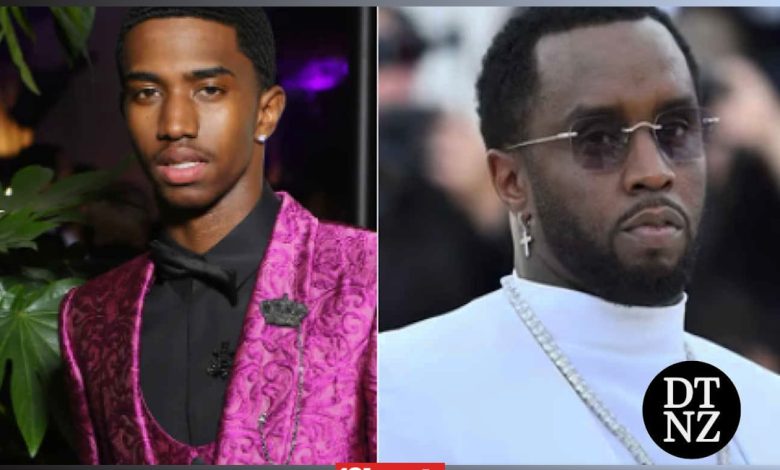
Diddy’s playbook is becoming transparent: when the evidence gets messy, fight the fighting back. The disgraced mogul, currently serving a 50-month federal sentence on prostitution convictions, just filed court documents asking a judge to sanction Grace O’Marcaigh—the woman who sued him and his son King Combs over an alleged 2022 yacht assault—and force her to cover his legal fees. This is peak Diddy desperation: he’s not winning on facts, so he’s trying to bury the lawsuit under legal bills.
Here’s what went down. Back in late December 2022, O’Marcaigh was working as a steward on a yacht Diddy had chartered. According to her suit, King Combs pressured her to drink tequila she suspected was laced with drugs, then allegedly groped her and tried to force her to perform oral sex. She fought back, suffered bruises, reported it—and claims she was later fired in retaliation and blacklisted from the music industry where she’d planned to build a career. Diddy was named as a co-defendant because he chartered the boat, and his lawyers have consistently denied all allegations.
Now fast forward to July 2026. O’Marcaigh’s attorney, Tyrone Blackburn, filed an amended complaint after a judge initially ruled California courts lacked jurisdiction over Diddy. Diddy’s legal team responded by asking the court to sanction both O’Marcaigh and Blackburn, claiming the amended filing was just a “repackaged” version of the same arguments the judge had already rejected—essentially frivolous—and that they wasted money defending it.
But here’s the problem for Diddy: Blackburn and O’Marcaigh fired back, arguing the amended complaint added NEW allegations that establish California jurisdiction through the yacht charter itself. They say the judge gave them permission to amend it, and Diddy’s sanctions request has zero merit.
The irony? Tyrone Blackburn is the same attorney who filed music producer Rodney “Lil Rod” Jones’ similar lawsuit against Diddy in 2024. And Blackburn has been under intense judicial scrutiny. Federal judges have called his filings “shocking,” “unsettling,” and riddled with errors—including admitted use of AI-generated fake legal citations. One judge sanctioned him for fabricating case law. Another warned he was using “hallucinated” court cases to support his arguments. The Southern District of New York referred him to disciplinary committees for “repeated failure to investigate basic elements of his cases.”
So yes, Diddy’s lawyers have legitimate ammunition: Blackburn’s track record is a mess. But that’s also exactly why Diddy’s current strategy—going after the accuser financially—reads like a bully move. The woman alleges she was sexually assaulted on his chartered yacht and then lost her career over it. Now he’s asking the court to make her pay his legal bills for defending against that claim.
This sits at the intersection of several forces currently shaping hip-hop’s reckoning: the Cassie settlement that kicked off a tsunami of lawsuits (she sued in November 2023, settled within a day); the federal case that took Diddy down; and the fact that accusers are now using attorneys who, however flawed their courtroom tactics, are at least willing to put celebrities’ names on legal documents. Bad Boy Records built an empire on dominance. Diddy’s post-incarceration legal strategy is looking less like empire maintenance and more like scorched earth—bleeding money to exhaust accusers into submission.
The 16BARS take: Diddy’s 50-month sentence didn’t kill his empire-building instinct; it just redirected it into courtroom attrition. Sanctioning an accuser for amended filings while she claims he blacklisted her isn’t a legal victory—it’s a preview of a long civil war.