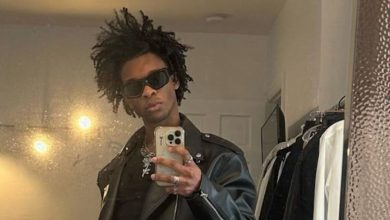

Baltimore rapper YNE Sosa’s whole world just collapsed in real time.
Sealedcourt documents that were supposed to stay confidential hit YouTube this week, and within hours, the video amassed more than 50,000 views and went viral across social media. The problem? The docs exposed Keith Ambush, a once-rising local rapper also known as YNE Sosa, as a cooperating witness in a massive federal murder-for-hire investigation. Sosa—who’d been quietly building a real name in hip-hop before legal troubles derailed everything—is now marked in his own community, social media is calling him a “snitch,” and his entire future in music is compromised.
The documents outlined Ambush’s discussions with federal authorities in an investigation dubbed “Fallen Angel”. The case is massive: Cornell Moore and Keith Brian Russell, both 40, are accused by federal agents of a murder-for-hire plot connected to as many as 19 shootings and homicides between 2020 and 2022. Russell has already been convicted at trial for a related homicide in Baltimore County. Among the deaths allegedly linked to the pair are the May 2022 shooting of Yahmell Montague and Angel Smith, who were engaged. Smith was seven months pregnant at the time. This isn’t gang beef—it’s a coordinated, calculated operation.
The leak itself is a disaster. Someone printed the sealed court documents and passed them outside the defense team, which was the only group authorized to see them. Fearing witness intimidation, city prosecutors quickly moved for an emergency hearing to question defense attorneys about how the information might have been disclosed. “Listening to jail calls, everyone is talking about it,” Assistant State’s Attorney Jeffrey Maylor said in court Friday. The judge wasn’t having it either. “People get killed over things like this,” the court said, acknowledging the real danger Sosa now faces.
But here’s the cultural context that makes this story hit different: Sosa came up from Gilmor Homes, a section of the West Side of Baltimore—the same neighborhood where Freddie Gray was arrested for possessing a switch blade knife on April 12 outside the Gilmor Homes housing project on Baltimore’s west side in 2015. Gray died a week later in police custody, sparking the protests that changed Baltimore’s relationship with law enforcement. Sosa grew up in that aftermath, in a neighborhood where trust in institutions was already shattered. His decision to cooperate with feds isn’t just controversial—it’s potentially life-threatening.
Before all this blew up, Sosa had momentum. He’d only been rapping since November 2017, but he moved fast. His single “Ball Together” hit heavy radio rotation, his YouTube catalog stacks millions of views collectively, and he’d shared stages with NBA YoungBoy. He was being positioned as one of Baltimore’s most promising rising rappers. Now? With the trial scheduled for January 2027, he’s sitting in an Alabama jail on a separate drug case while his cooperation case plays out. His music career is essentially on hold. His name is publicly tied to snitching in a city where that label carries real consequences.
This is the collision between hip-hop culture, street code, and the criminal justice system. Sosa faced a choice: his own freedom or the code. He chose his freedom. That’s survival, not betrayal—but the culture doesn’t always see it that way.
The 16BARS take: When sealed court docs expose your cooperation deal, the trial doesn’t start in January—your survival does. Sosa chose the system over the street, and now the street knows his name.