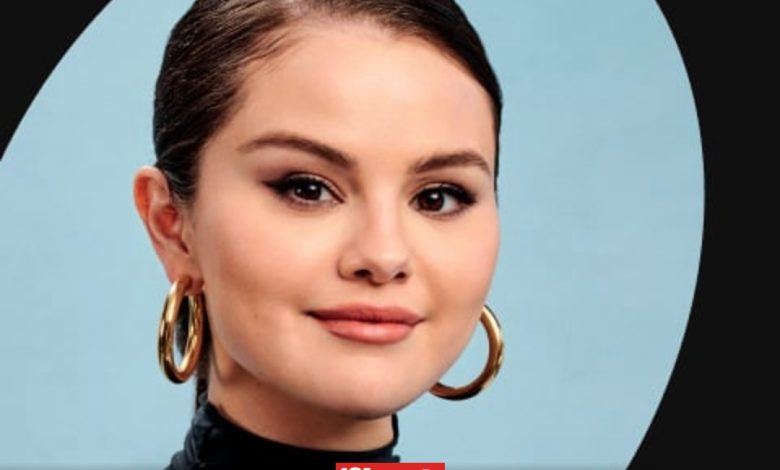
Selena Gomez is not backing down. On Saturday, her celebrity attorney Mathew Rosengart came out swinging against a federal fraud lawsuit that hit the pop star and her mother, Mandy Teefey, harder than most industry drama in months—alleging they scammed investors out of $1.2 million through their mental health startup Wondermind Global Inc.
Rosengart’s response was surgical and sharp. “The allegations that Selena Gomez engaged in any way whatsoever in any purported ‘fraud’ or other wrongdoing are completely meritless, both factually and legally,” he told People. Translation: this case has no legs. But it’s not just talk—Rosengart is already drafting a motion to dismiss what he called “baseless claims,” signaling Gomez’s team plans to fight this in court and fight hard.
Here’s what went down. Two investor firms, Wondermind SRS 44 LLC and Bespoke Wondermind LLC, filed suit Thursday in Delaware federal court accusing Gomez, Teefey, and co-founder Daniella Pierson of securities fraud, common-law fraud, and breach of contract. The suit claims investors poured nearly $1.2 million into Wondermind between 2021 and 2025 based on a bunch of promises that never materialized. Gomez was supposed to be “intimately involved” as head of marketing. The partnerships with J.P. Morgan and Fidelity? Never happened. The groundbreaking app? Never built. The company was valued at $95 million and pitched as a one-of-a-kind mental health platform—but according to the lawsuit, “for three years, while the Company quietly collapsed around them, not one of its founders, officers, or directors said a word to the investors whose money was funding the collapse.”
Investors say they didn’t catch the collapse until September 2025, when The Cut published an explosive exposé detailing internal chaos, Teefey’s alleged substance abuse issues, her mismanagement of the company, and Gomez’s “abject dereliction of her duties” as she distanced herself from the business. The Cut piece also reported that vendors and employees weren’t getting paid on time—a massive red flag that should have been transparent to investors far earlier.
But here’s where the lawsuit gets grimier. The investors claim Teefey missed meetings, allegedly brushed off a missed payroll, and was dependent on Ritalin—claims that go way beyond business incompetence into personal territory. Daniella Pierson’s camp has already fired back too, with her rep stating she “categorically denies the allegations” and has “never used investor funds for personal expenses,” and noting Pierson actually invested her own money and didn’t draw a salary.
Wondermind was supposed to be Gomez’s big play in the mental wellness space, a sector that’s exploded post-pandemic. Founded in 2021 with the mission to make mental health resources accessible, the startup promised to be different—a celebrity-backed venture with real infrastructure and real staying power. Instead, it became a case study in how not to run a startup and another example of how celebrity status doesn’t translate to business chops. Teefey has denied the substance abuse allegations, telling TMZ in 2025 that the Cut story relied on “disgruntled employees with an ax to grind.”
This isn’t Gomez’s first lawsuit rodeo in the business space, but it’s probably her highest-profile fraud allegation. For a singer-actress whose public brand is built on relatability and mental health advocacy, being accused of misleading investors about a mental health company hits different. The cultural irony is thick: you’re supposed to be the one promoting mental wellness, not the one allegedly ghosting investors while your startup implodes.
The 16BARS take: Rosengart’s aggressive “completely meritless” framing suggests Gomez’s legal team has the docs to back it up, but three silent years while money dried up is a terrible look no matter how the lawsuit shakes out. If Gomez and Teefey win on the motion to dismiss, great—but the reputational damage in the mental health space is already baked in.