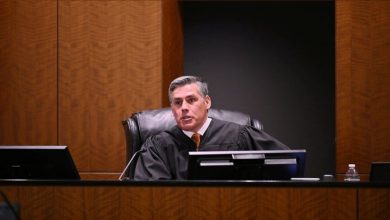

The legal system just handed Kanye West a loss that stings in ways more than just courtroom defeat. A federal judge ruled on October 8 that Kanye’s bid to strip claims about his remarks and the Holocaust from Alice Merton’s copyright suit was denied by Judge Fernando L. Aenlle-Rocha. Translation: His antisemitic past is staying in the case, and it’s going to haunt him all the way through trial.
Here’s what went down. Alice Merton, a German singer, is suing Kanye West for sampling her 2022 song “Blindside” in his track “Gun to My Head” without permission. The stakes are high because the judge is now allowing Merton’s legal team to use Ye’s own words against him—specifically, his history of hateful rhetoric—to explain WHY she refused to let him use her music in the first place.
Merton discovered the unauthorized use when West performed the song live at a listening event in December 2023, and West’s team only reached out months later to request clearance after the song had already been performed. By February 2024, West’s team formally requested clearance for the sample, but Merton denied the request in March, explaining that West’s past antisemitic remarks clashed with her personal values. Not “maybe later,” not “we’ll think about it.” A flat no. Merton says Ye released the track in August 2024 even though she told him no, and that month BMG sent him a letter telling him to stop and account for each use.
Why did the judge let the antisemitism stay in the case? The court found that the allegations concerning Merton’s background or Ye’s alleged remarks are not unduly prejudicial and may have some bearing on the litigation, including potentially at trial to explain Plaintiffs’ rationale for denying Defendants’ use of the song. In other words: her refusal was BECAUSE of his conduct. That’s legally relevant. Full stop.
Let’s put the receipts on the table. Ye praised Adolf Hitler on Alex Jones’ InfoWars show in December 2022 and said he loved Nazis. This wasn’t a slip-up—Ye told Jones during the interview that “I see good things about Hitler”. The fallout was immediate and brutal. His words cost him his deal with Adidas in 2022 when the brand cut ties over hate speech, a partnership Adidas estimated would hit its net income by nearly $250 million in 2022. Merton, as a direct descendant of Holocaust survivors, did not want to be associated with Ye’s past antisemitic remarks.
The culture doesn’t forget. The industry doesn’t move on. And now the courts are telling Ye that he can’t just compartmentalize his past when it suits him legally. His antisemitic track record is the CONTEXT for every business decision he made, every relationship he damaged, and every artist who said no to him.
We’ve seen this pattern with Ye before—multiple copyright battles, multiple refusals to accept “no,” and now the legal system saying your character MATTERS when artists are deciding whether to work with you. Merton filed suit in March 2025, and the fight is far from over, but this ruling is the judge essentially saying: the hate speech is part of the story.
The 16BARS take: Ye thought he could separate his antisemitism from his business dealings in a courtroom—he can’t. His words didn’t just cost him billions; they’re now the legal foundation for why artists won’t let him near their work.