
data-instgrm-captioned data-instgrm-permalink="https://www.instagram.com/p/DdoCnTxjR5j/" data-instgrm-version="14" style=" background:#FFF; border:0; border-radius:3px; box-shadow:0 0 1px 0 rgba(0,0,0,0.5),0 1px 10px 0 rgba(0,0,0,0.15); margin: 1px; max-width:540px; min-width:326px; padding:0; width:99.375%; width:-webkit-calc(100% - 2px); width:calc(100% - 2px);" >
In a decision that splits the difference between accountability and species preservation, Yorkshire Wildlife Park announced Sunday that Altai, the tiger who mauled a man to death, is “safe and well” and will not be put down. The move feels almost counterintuitive in Western animal welfare culture—typically, any big cat that kills a human gets a bullet. But this case represents a broader shift in how zoos and conservationists think about endangered animals when tragedy strikes.
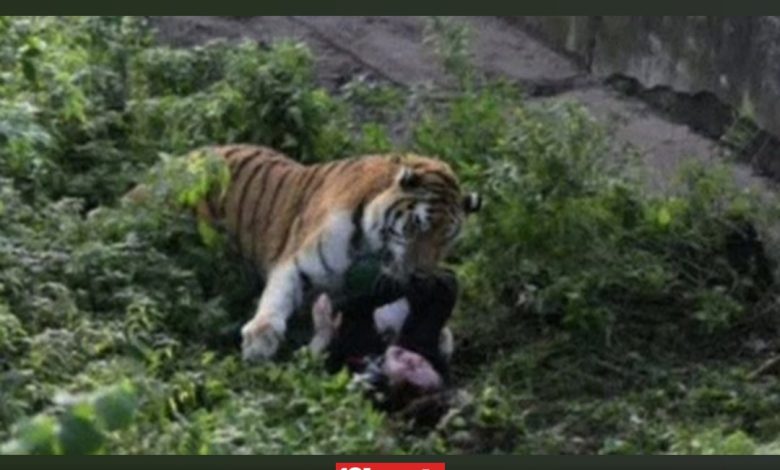
Here’s what went down: On Saturday afternoon, a man entered Altai’s enclosure at Yorkshire Wildlife Park in Doncaster, England. The tiger attacked him, causing serious injuries, and despite emergency response efforts, the man was pronounced dead at the scene. Video footage showing the moment circulated online, intensifying public attention. The usual narrative kicks in: man enters forbidden space, gets mauled, zoo destroys animal to prevent future incidents. Except that’s not what happened here.
What’s wild is that the park received an outpouring of messages from people concerned about the animal’s fate. Public pressure actually shifted the outcome. This isn’t some random house cat—Altai is an endangered Amur tiger who arrived at Yorkshire Wildlife Park in February 2025 after traveling more than 1,100 kilometers as part of an international breeding program aimed at protecting the endangered species. That context matters. Altai didn’t escape. He didn’t break protocol. A human breached the enclosure and paid the ultimate price.
The bigger picture here is about how we balance human life with species preservation in 2026. Zoos face impossible math: if you kill every big cat involved in a human death, you’re decimating already-fragile populations of endangered species. The park previously described Altai as calm and curious, suggesting this wasn’t a pattern of aggression—just a tiger doing what tigers do when humans invade their space.
This echoes a growing trend. When a zookeeper at Hamerton Zoo Park in the UK died in a tiger attack years ago, the public backed keeping the tiger alive. The family of the deceased supported the decision. It’s a recognition that tragedy doesn’t always demand vengeance against an animal that was operating on instinct in its own home.
That said, the investigation into how the man entered the enclosure remains active. If there’s negligence on the park’s part—faulty locks, inadequate barriers, failed protocols—that’s where accountability needs to live. The tiger made the wrong choice? No. The tiger did what predators do. But did the park?
The 16BARS take: Altai survives because we’re finally learning that endangered species aren’t disposable, and a man who jumped into a tiger’s home isn’t the tiger’s fault. The real question is whether anyone’s getting fired at Yorkshire Wildlife Park.