View this post on Instagram
The Weeknd came to Hong Kong and left the culture a love note. On October 24, he debuted an unreleased track titled “Hong Kong” at Kai Tak Stadium—and the centerpiece wasn’t a new beat he cooked up alone. It was Faye Wong’s “Seasonal Wind,” a 1993 Cantopop masterpiece that towers over the city’s entire pop landscape.
The move was surgical. Instead of dropping a generic stadium anthem or some sky-scraping produced flex, Abel Tesfaye threaded Faye Wong’s ethereal vocal melody and synth line directly into his signature dark R&B engine. Tens of thousands of fans screamed when the intro hit—that instantly recognizable “Seasonal Wind” flourish surfacing without warning, then sinking into The Weeknd’s psychedelic low end. It was a seamless lift, the kind that only works if you actually know your source material and respect it.
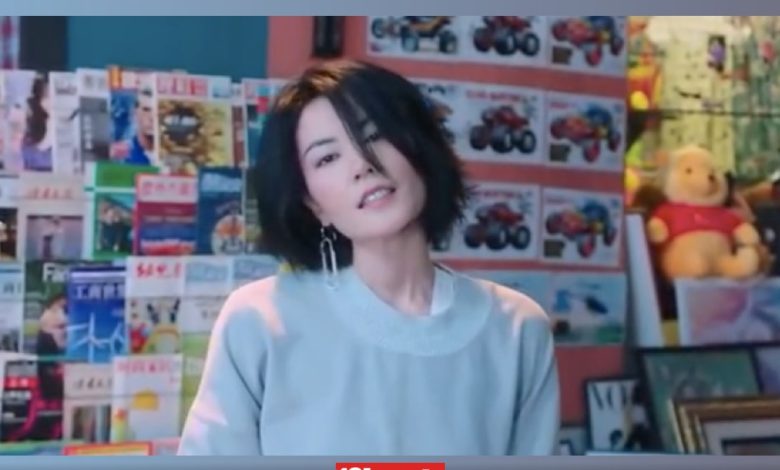
This wasn’t a random sample pull. Before he even touched down in Hong Kong, The Weeknd had been broadcasting his Faye obsession. In late September, he shared a photo on Instagram listening to her 1996 album Fuzao—not some mainstream Cantopop hit, but a deep cut from her experimental era when she was blending dream pop, trip hop, and psychedelia. That level of homework changes the entire conversation. He wasn’t just name-dropping the city; he was name-dropping its history.
Faye Wong is arguably the most important pop voice to ever emerge from Hong Kong. She wasn’t just a singer—she was an icon who transcended the region, who experimented fearlessly in an era when Cantopop was calcifying into formula, who stood at the absolute peak of the culture. The album Fuzao is considered a classic; “Seasonal Wind” sits in the canon. When you loop Faye’s vocals into your beat at one of the biggest tour stops of your career, you’re not just paying homage—you’re saying this music mattered enough to build on.
The physical presentation mattered too. Kai Tak Stadium’s walls became the canvas for a Hong Kong-only music video, all after-dark streetscapes and neon-soaked noir—basically Hong Kong cinema transposed into The Weeknd’s visual language. This wasn’t a throwaway moment. This was a statement that took time, money, and intentionality. The After Hours Til Dawn tour is already the best-selling tour by a solo male artist in history; Hong Kong, for The Weeknd, was the final leg, the encore to a record-breaking run. And he chose to debut a brand-new song built on the foundation of a legend.
That says something about how The Weeknd sees music right now. You don’t sample one of Asia’s defining pop voices unless you believe that lineage belongs in your story. Faye Wong shaped the sound of a city and a generation. The Weeknd, at the absolute peak of his powers, decided to make her part of his narrative. Not as a feature, not as a co-signer—but woven into the fabric of the track itself, unavoidable and integral.
The 16BARS take: The Weeknd didn’t just tour Hong Kong—he genuinely studied it, respected it, and then rebuilt his own music around its foundation. That’s how you move when you’re at the top and you actually give a fuck.