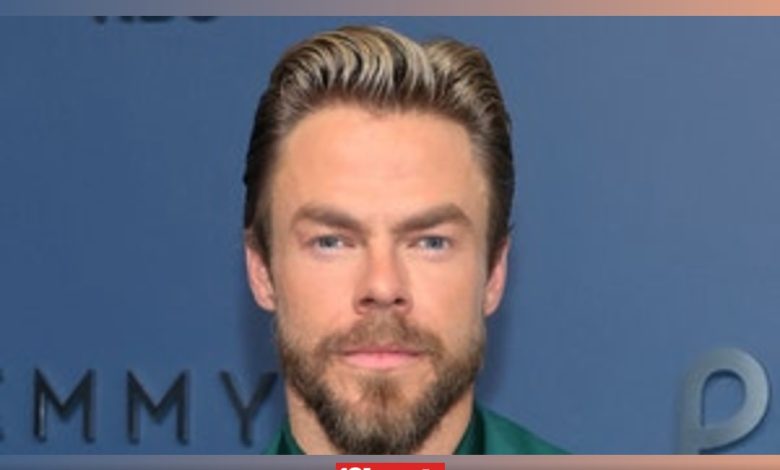
YNW Melly is asking a judge not to allow prosecutors to present evidence of his alleged ties to a gang, claiming they haven’t proven that these associations contributed to the two murders he’s accused of committing.
The rapper’s lawyers filed their motion in Florida earlier this month, claiming the state can’t bring up YNW’s alleged ties with G-Shine, an offshoot of the Bloods, because it could prejudice a jury against him. Attorneys Carey Haughwout and Drew Findling filed an eight-page motion on November 13 in Broward County, seeking to exclude gang evidence and related expert testimony.
This isn’t a legal move out of nowhere. It’s a straight-up strategic play that speaks to something real about how trials get won or lost. His team says Florida law is clear: prosecutors have to prove not just that YNW is affiliated with the gang, but that affiliation is the reason for the 2018 slayings of YNW Sakchaser and YNW Juvy. The defense is drawing a line. And it’s a smart one.
Melly’s lawyers say prosecutors presented generalized evidence about G-Shine during the first trial, but never connected the alleged gang association to the crime, and they shouldn’t be allowed to do it as his retrial. They’re not saying the gang stuff didn’t happen or that Melly doesn’t have ties. They’re saying it’s noise. And noise that clouds the actual facts prosecutors are supposed to prove.
Back in 2023, YNW secured a mistrial as he remained locked up in the years since, awaiting his retrial. The jury deadlocked after three days. That means some jurors had doubt. Some didn’t. The state wants another shot, and they want to come in heavy with everything that makes Melly look dangerous. The gang narrative is part of that. And his team sees it.
The motion warns that broad descriptions of gang practices could encourage jurors to judge Melly through stereotypes. That’s the core argument. A jury walks in already primed. They hear “Bloods,” “G-Shine,” gang hierarchy, symbols, street practices. Then they hear “murder.” The connection feels automatic in their minds, even if prosecutors never actually proved it. That’s prejudice. That’s reasonable reasonable doubt getting strangled before it even gets a chance.
The trial is scheduled to start on January 6. Prosecutors are seeking the death penalty if he is convicted. This isn’t just about how much time Melly does. This is capital. This is life or death.
The defense’s point hits different in hip-hop trials. How many times have prosecutors leaned on a rap artist’s affiliation, his neighborhood ties, his crew, his lyrics. And used that swirl of context to make someone look guilty of a crime nobody proved they committed? The stereotype plays. The jury hears it and fills in blanks. By the time the closing argument comes, doubt is dead before anyone had to prove anything real.
Judge Martin Fein has to decide whether this evidence stays out. The state will push back. They’ll say gang affiliation goes to motive, intent, context. They might have a point. If they can actually connect it. But that’s exactly what the defense says didn’t happen last time, and what prosecutors couldn’t pull off.
The 16BARS take: This motion cuts to something true about how hip-hop defendants get tried in America. Prosecutors lean on culture as a shortcut to guilt. A smart defense team stops that play before it starts. Melly’s team is fighting smart, and the judge’s call on this one might matter more than any witness testimony.
Your turn: Should gang affiliation evidence be admissible at all in a murder trial, or should the state have to prove the crime came specifically from gang business?