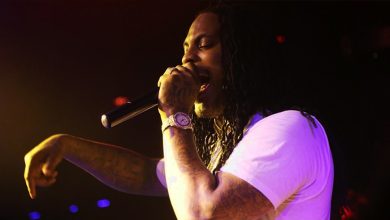

Grammy-winning R&B singer Chris Brown caught a massive break in London’s Southwark Crown Court on Monday—the kind of break that reminds you fame and money still matter in the justice system. He’d been facing up to three years in prison for beating music producer Abraham Diaw with a tequila bottle in February 2023 at Tape, an exclusive Mayfair nightclub. Instead, a judge handed him an eight-month suspended sentence, meaning Brown walks free as long as he stays out of trouble for the next year.
The attack itself was caught on camera and was brutal. Prosecutors described it as “vicious and unprovoked”—Brown struck his former friend twice in the head with the bottle, and he had to be physically pulled away from Diaw by other people in the club. Video played in court showed the whole thing. Judge Tony Baumgartner acknowledged the danger: “The repeated use of a glass bottle in that way, especially aimed at the head, was plainly dangerous; it carried the risk of delivering a more serious injury than was ultimately sustained.” Translation: Brown got lucky his victim didn’t suffer worse.
The timeline matters here. The incident happened in February 2023, but Brown dipped—he left the UK immediately after and didn’t return for two years. By May 2025, when he was arrested at Manchester’s Lowry Hotel mid-tour, he was already a flight risk. A UK court slapped him with £5 million ($6.7 million) bail, and that money let him continue his “Breezy Bowl XX” world tour through 2025. Earlier this year he pleaded guilty to affray, a public order offense, and agreed to drop the more serious charges of attempted grievous bodily harm with intent. His co-defendant, Florida rapper Omololu Akinlolu (40), also pleaded guilty and received a four-month suspended sentence.
Here’s what the judge considered in letting Brown walk: he pleaded guilty, he’s maintained a “clean record in recent years” despite previous convictions, and there were “mitigating circumstances” that don’t get spelled out publicly. Stability, money, representation—the usual. In response, Baumgartner made a statement that should’ve felt like a rebuke but came across as window dressing: “Your fame, commercial success, and professional standing do not entitle you to special treatment. The law applies equally to everyone.”
Except it doesn’t. Not this time.
Brown’s history with violence has long been a shadow on his career. His 2009 conviction for assaulting then-girlfriend Rihanna reshaped his public image forever, and he’s faced repeated arrest and legal trouble since—arrests across multiple US states, a 2019 arrest in Paris on suspicion of rape (he was released without charge), a $50 million lawsuit filed in 2024 by concertgoers he allegedly beat backstage in Fort Worth, Texas. For a generation that’s watched him perform and struggle, this London sentencing feels inevitable rather than surprising.
The 16BARS take: Chris Brown’s suspended sentence proves that when you’re a Grammy-winning artist with the money for top-tier legal representation, a violent crime becomes a transaction—expensive, sure, but survivable. The culture’s watched this pattern repeat too many times.