
Somewhere between a legal marathon and a referendum on the strength of federal evidence, Houston rapper OMB Bloodbath is back before a jury this summer. For the third time.
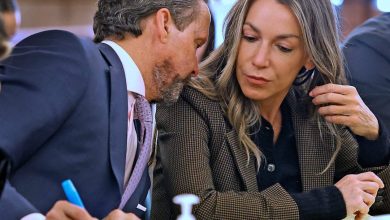
Alexandra Nicks, who performs as OMB Bloodbath, walked into a Houston federal courtroom in July 2026 to face murder in aid of racketeering charges tied to a 2017 shooting in the Third Ward that killed 53-year-old Samuel Johnson. This isn’t her first rodeo with this case—her first trial ended in a January mistrial when jurors deadlocked after two weeks of testimony. Prosecutors retried the case in May. That jury also couldn’t reach a unanimous verdict. Now, having added a direct murder charge to their indictment in February, the feds are going again. If convicted, Nicks faces a mandatory life sentence.
Here’s the backstory that got us here. On October 16, 2017, four members of the 100% Third Ward Gang (also called the 103 Gang) carried out a drive-by shooting on London Street in Houston, aimed at rivals from the Young Scott Block. Johnson, a 53-year-old convenience store clerk, was walking in the area when the gunfire started. He took bullets meant for someone else—the definition of collateral damage in a gang war that has ravaged the Third Ward for years. Three gunmen have already been convicted in Johnson’s state murder case. But prosecutors want Nicks and her co-defendant, Shaquile O’Neal Richards, for allegedly orchestrating the hit from behind the scenes.
The evidence? Prosecutors rely heavily on text messages, recorded jail calls, and—most controversially—cell phone location data that they argue shows Nicks coordinating the shooting from Harris County Jail. Here’s where the case gets shaky. During the first trial, convicted gunman Marquis Erskin took the stand and dropped a bomb: he testified that he planned the shooting himself, saying “It was planned by me. I don’t remember it being planned by Shaquile Richards and Alexandra Nicks.” Prosecutors argued Erskin was protecting Nicks and Richards. The jury apparently wasn’t convinced either way. The May retrial also ended in a hung jury, suggesting at least some jurors didn’t buy the prosecution’s narrative.
But Nicks’ legal problems didn’t start in 2017—they exploded in her career in 2023. Before her indictment, she was positioned as a next-level breakout from Houston’s rap scene, with a record deal through Interscope Records. Songs like “Bloodbath” and “Third Ward” gave her authentic street credibility that resonated with listeners—the same credibility that federal prosecutors would later use as evidence against her. In some twisted irony, her art became her accusation. Since her arrest, she’s been in federal custody, watching her music career dissolve while the justice system cycles through jurors who keep refusing to lock in guilty verdicts.
The third trial also comes with new ammunition. Prosecutors cracked Nicks’ previously locked phone after four years of attempts, providing evidence that defense attorneys argued came too late in the process. The judge allowed the retrial anyway. What’s really happening here is a test of how much leverage cell phone evidence actually has in a murder conspiracy case when the actual shooters either plead guilty or testify they acted alone. Two juries have already sent a message: the phone records and jail calls alone aren’t enough.
For hip-hop culture, this case is a cautionary tale about the collision of street authenticity and federal prosecutorial zeal. Nicks got caught in the machinery of a system determined to hold gang leadership accountable for violence carried out by lower-tier members—a legal strategy that’s been applied to rappers before, from Tekashi 6ix9ine to other cases where lyrics and social media became evidence. The difference here is the absence of a smoking gun witness. Even the alleged triggerman won’t say Nicks ordered the hit.
The 16BARS take: Three trials for the same alleged crime suggest the feds are overreaching, or the evidence is genuinely circumstantial. Either way, two juries have already tapped out—this one might too.