data-instgrm-captioned data-instgrm-permalink="https://www.instagram.com/p/DbCPvMJFL2x/" data-instgrm-version="14" style=" background:#FFF; border:0; border-radius:3px; box-shadow:0 0 1px 0 rgba(0,0,0,0.5),0 1px 10px 0 rgba(0,0,0,0.15); margin: 1px; max-width:540px; min-width:326px; padding:0; width:99.375%; width:-webkit-calc(100% - 2px); width:calc(100% - 2px);" >
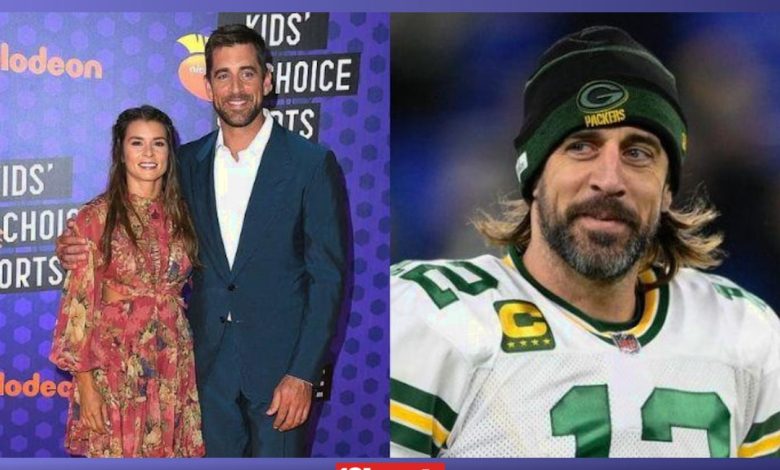
Sometimes the greatest audible isn’t on the field. Aaron Rodgers says his wife helped him call the biggest audible of his life … ending a nearly decade-long estrangement from his family. For over a decade, the future Hall of Famer had gone radio silent on his parents and siblings—a calculated detachment that shadowed his legendary NFL career. But the Pittsburgh Steelers quarterback opened up about the reunion during an interview with NFL Network’s Kyle Brandt … saying conversations with his wife, Brittani, helped him warm up to reconnecting with his loved ones.
Last month, Rodgers posted what felt like a redemption arc compressed into a Nashville photo carousel. Aaron recently posted photos from a family weekend in Nashville with his parents, Darla and Ed, his older brother Luke, Luke’s wife and their two kids. Uncle status achieved. In a culture where beefs—between brothers, between fathers and sons, between family and fame—get weaponized into narratives, Rodgers’ reconciliation reads as quietly radical. He didn’t broadcast it as a flex. He showed it.
The backstory hits different when you know the timeline. Ed Rodgers, echoed that sentiment in a 2017 interview with The New York Times, saying Aaron had not spoken to the family since the end of 2014. That’s twelve years of birthdays without calls, holidays without presence. The rift went public in 2016 when his younger brother Jordan went on The Bachelorette and had to explain on national TV why his famous QB brother wasn’t around. The explanation was simple and brutal: Aaron had chosen distance.
What fractured it? Aaron declined to comment for the 2017 Times story, but he has spoken about the feud in recent years, including in his 2024 Netflix docuseries, saying some of the tension stemmed from his parents’ strict religious beliefs and the pressure he felt growing up in a conservative household. For years, Olivia Munn got blamed (unfairly—Rodgers shut that down). The real issue was deeper: theological, values-based, the kind of rupture that doesn’t heal with a single conversation.
But here’s where Brittani shifts the narrative. Aaron says the reconciliation has actually been a couple years in the making, but Brittani’s love and support helped him through the process without ever pushing him. This is the opposite of the tabloid arc where a new partner swoops in and “fixes” everything. Brittani didn’t rush him. She held space. She let him move at his own speed. The work took two years—quiet, unglamorous, private work—before he was ready to post those Nashville photos.
What makes this moment resonate in hip-hop culture isn’t the softness of it—it’s the realness. In June, he made it clear the 2026 season would be his last dance. So heading into a final chapter, Rodgers chose his family. Not because TMZ pressured him. Not because a therapist told him to. Because his wife’s consistent, non-judgmental presence helped him see healing was possible.
That’s the audible. Not the play. The choice.
The 16BARS take: In a league and a culture obsessed with drama, Aaron Rodgers’ move—reconciling with his family quietly, crediting his wife for the bridge-building, doing it on his own timeline—is a masterclass in what maturity actually looks like. This is the story we don’t talk about enough.