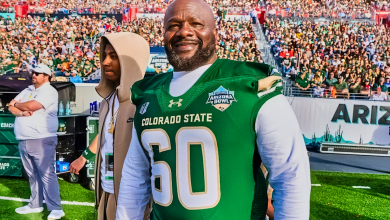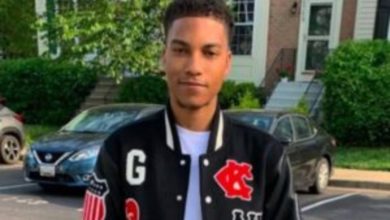
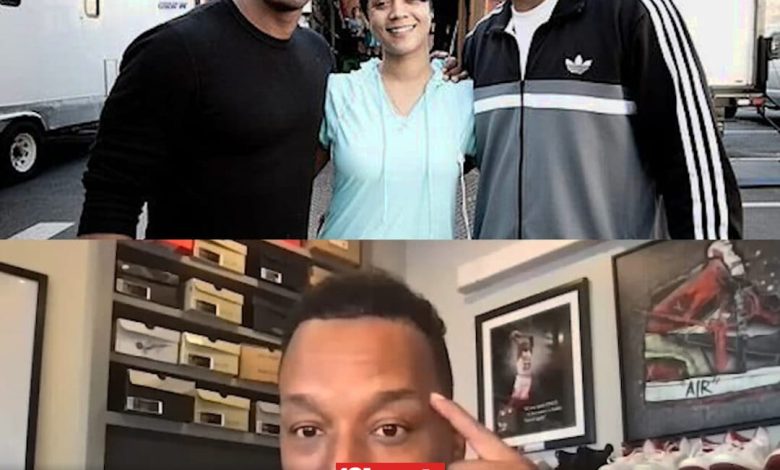
Daejon Love, 35, and his 18-year-old accomplice Taylor Jamie Chan were arrested Aug. 24 in Boise, Idaho, after federal authorities charged them with wire fraud. Love and Chan had defrauded 26 identified victims of roughly $1.3 million — but the real story? One woman just posted video proof she was still caught up in his romance scam on the exact day the FBI caught him.
A woman claiming to be Love’s “last victim” posted a TikTok saying she was wrapped up with him right until Aug. 24, the same day federal authorities arrested him at Boise Airport. Her video shows what she claims was their relationship—including fishing trips, travel, shopping, a Corvette and a diamond ring—and screenshots of texts with a contact saved as “Jordan” showing what appears to be a romantic relationship and talk about building a future together. She’s putting receipts on the internet, making it public that this dude had her heart and her wallet locked in on the morning the feds threw the cuffs on.
Here’s the grift: Love and Chan began their scheme in February 2022, with Love meeting multiple women through dating apps and creating “fictitious personas,” repeatedly presenting himself as a member of the 49ers or a wealthy real estate investor. Among the pseudonyms Love used: Jon Love, Avril Lyto Love and Jordan Love. Love wooed women on Instagram posing as a 49ers wide receiver who lived in the Bay Area and drove McLaren and Lamborghini sports cars, posting photographs and videos of himself wearing San Francisco 49ers gear, football training, and posing next to fancy cars.
Love would meet the women online with Chan posing as his financial adviser. The playbook was cold: Love convinced many of the victims they were in sincere romantic relationships with Love, that he was a sophisticated investor, and that Chan was his investment adviser who helped Love grow a fortune worth tens of millions of dollars. Screenshots showed an app that claimed Love had more than $5 million in cash and $15 million in investments. Once he had their money—or they started asking questions—he disappeared. Prosecutors said Love blocked communication with victims once they had no more money to invest or if they asked too many questions.
What makes this different from your standard catfish is the scale and the audacity. Those efforts spanned more than four years, with Love and Chan creating fictitious investments to defraud women in California, Idaho, Washington and Oregon. The FBI issued arrest warrants on Aug. 17, 2026, in Oregon. On Monday, Aug. 24, Chan flew from California to meet Love in Boise, where the FBI and other law enforcement arrested the duo at the Boise airport—and investigators say Love was in Idaho to meet new victims. The man wasn’t slowing down. He was still running game, still collecting numbers.
This hits different when you think about it: we’re living in an era where romance fraud has become industrial. Dudes aren’t just catfishing for clout or ego—they’re building entire fake lives, fake jobs, fake empires, and the women who fall for it aren’t dumb. They’re generous, hopeful, and they trusted a story about building something real. The NFL jersey, the Instagram flexes, the “investment opportunities”—it’s all theater designed to make a woman feel special and loved while simultaneously bleeding her dry.
Worse? The FBI identified 26 victims and received about $1.3 million from them, but the FBI believes there are “many more victims”. This means every time a new woman scrolls through her matches, opens a message from someone who looks too good, shares a photo with expensive cars in the background—the hunt continues. Love’s methods are now a template. The scheme didn’t end on Aug. 24; it just paused long enough for the courts to catch up.
The 16BARS take: Love spent four years running one of the most patient, calculated romance scams in recent memory—and he still had time to book a flight to Idaho to meet new victims. The real tragedy isn’t just the $1.3 million; it’s that women’s trust got commodified, packaged, and sold back to them as fiction. One victim posting receipts on TikTok is the only leverage she’s got—but at least the internet will remember his face.