
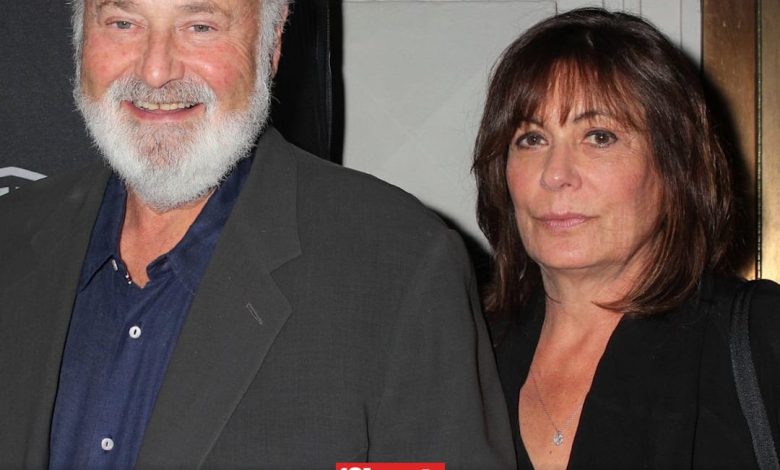
Nick Reiner, 32, has been blocked from accessing over $1.5 million in a family trust fund while facing murder charges for the deaths of his parents, filmmaker Rob Reiner and Michele Singer Reiner. The move isn’t just about money—it’s a brutal legal maneuver that exposes how the justice system treats the accused when they’re also the supposed heirs.
Rob and Michele Reiner were found stabbed to death in their Brentwood home on Dec. 14, 2025. Nick, held without bail since his parents’ bodies were found, was indicted on murder charges on July 20 with a special circumstance allegation of lying in wait. He’s pleaded not guilty. But here’s where it gets dark: The trustees overseeing his trust have invoked California’s “slayer statute”—a law that prevents someone from inheriting money or property from a person they have “feloniously and intentionally” killed—blocking his request for access to over $1.5 million to cover legal expenses and commissary costs while he remains behind bars.
Nick filed a petition in June asking for access to the funds, arguing the trust is worth more than $1.5 million and that a portion should have already been distributed to him when he turned 30 on September 14, 2023, two years before his parents’ deaths—a mandatory distribution that was never made. Translation: dude’s asking for money that was already supposed to be his before anyone died. The trustees overseeing the fund are Paul Kanin and Jodi Pais Montgomery. Nick says he needs the funds to re-hire defense attorney Alan Jackson, who represented him initially but withdrew from the case in January.
But the trustees aren’t budging. California’s slayer statute generally prevents a person from inheriting money, property, or trust assets from someone they have “feloniously and intentionally” killed. Montgomery argues no distribution should happen until the court decides whether the statute applies, saying releasing the funds now could create a situation that cannot be undone if Reiner is found responsible for his parents’ deaths.
Here’s the real context: The Reiner family struggled to help Nick navigate his battle with addiction; he’s done numerous stints in rehab and at times been homeless, and has spoken about arguments he had with his parents while in the throes of addiction. Nick co-wrote his father’s 2015 film “Being Charlie,” which followed a young drug addict whose father forces him to go to rehab—Rob Reiner acknowledged parts of the movie aligned with his family’s experience. The night before his parents’ deaths, Nick got into an argument with Rob Reiner at a holiday party and was seen acting strangely.
Nick’s attorney, Anita P. Wu, pushed back on the trustees’ position, telling The New York Times: “The slayer statute requires a determination, not a mere accusation. Nick is presumed innocent and has been convicted of nothing”. She’s got a point. If convicted as charged, Reiner faces death or life in state prison without the possibility of parole. But he hasn’t been convicted—and his lawyer is arguing he’s entitled to defend himself with resources that are legally already his.
The stakes are massive. If the judge sides with Montgomery, the $1.5 million would instead go to Nick’s brother Jake and sister Romy, who Montgomery is also trustee for. So there’s a financial incentive built into the family structure now. If an insanity defense is raised and succeeds, it could allow Reiner to access not only his $1.5 million trust, but also his interest in his late parents’ broader $200 million estate. That’s the legal lifeline he’s looking for.
The 16BARS take: The slayer statute exists for a reason—you shouldn’t profit from the death you caused. But Nick Reiner is presumed innocent, not convicted. Blocking him from his own money while he sits in jail fighting for his life in court is playing hardball with someone’s right to defense. The law’s supposed to presume innocence; the system’s treating him like he’s already guilty.