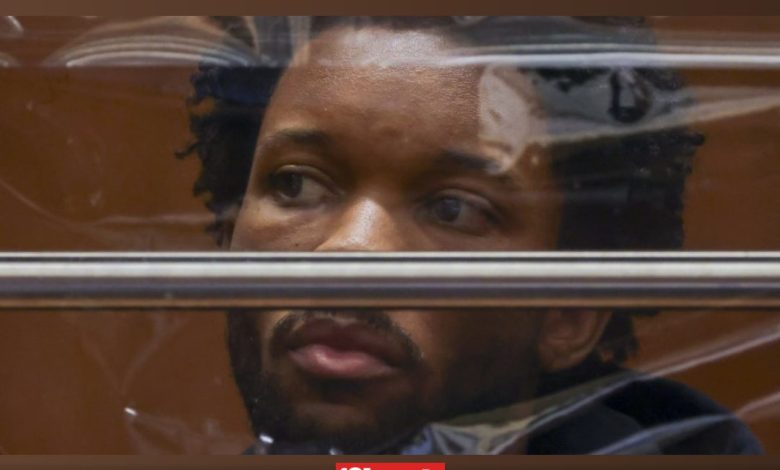
Platinum-selling singer D4vd pleaded not guilty Monday to charges he sexually abused 14-year-old Celeste Rivas Hernandez before killing and dismembering her and concealing her remains in the front trunk of his Tesla. But the bigger story? The abrupt lawyer swap that signals a major shift in his legal strategy just hours into what prosecutors are calling a death-penalty case.
He switched out his defense team, replacing high-profile lawyers Blair Berk and Marilyn Bednarski with two public defenders. Berk’s firm has represented Harvey Weinstein and major Los Angeles figures—elite criminal defense. The pivot to public defenders in a capital murder case is unusual and raises immediate questions about where this legal war is headed.
The charges are among the most brutal the Los Angeles County District Attorney can bring. Prosecutors allege Burke sexually abused Rivas Hernandez for more than a year before killing her on April 23, 2025, after the 14-year-old threatened to expose him. They say he dismembered her body in his garage with a chainsaw, placed her torso and head in a cadaver bag and her limbs in a black laundry bag, then concealed the remains in the Tesla Model X with air fresheners scattered around the vehicle. Her badly decomposed remains were found in two body bags in the front trunk of D4vd’s impounded Tesla in September 2025.
Deputy District Attorney Beth Silverman called Burke a “very clever adult” who groomed and “gaslit” Rivas Hernandez. She argued investigators had presented a “mountain of evidence.” Sexually graphic messages between the pair included discussions of contraception, pregnancy, and abortion. Messages recovered from Burke’s iCloud account and a phone seized from his residence showed Rivas Hernandez discussing pregnancy and an abortion with him in January 2024, when she was 13, and he was an adult.
What makes the public defender pivot even more striking: at Monday’s hearing, Burke’s new lawyer, Los Angeles County Public Defender Walid Kandeel, asked to delay Burke’s arraignment following the preliminary hearing so he could review transcripts in the case. Superior Court Judge Charlaine Olmedo denied the request, noting that Burke still faced the same three charges filed against him when he was arrested in April. The judge essentially shut down the delay and told Kandeel there wasn’t time to ease into the case—he had to enter the plea on the spot. Kandeel then entered a not guilty plea on Burke’s behalf.
The Los Angeles County District Attorney’s Office also filed special-circumstance allegations, including murder of a witness and murder for financial gain, making Burke eligible for the death penalty. Prosecutors allege he killed her for financial gain “to maintain his very lucrative musical career that Celeste was threatening” to expose. At 21 years old, Burke is staring down potential capital punishment.
The defense team’s statement afterward said they continue to support Burke and are grateful the public defender’s office took over—a diplomatic move that masks what insiders see as a significant strategic retreat. Whether Burke fired his team due to a breakdown in trust, financial constraints, or a genuine belief that public defenders are better positioned for this fight remains unknown. Bednarski declined to say how he might qualify for a publicly funded defense considering his financial success as a recording artist. That unanswered question itself is fodder for speculation: if Burke can’t afford private counsel anymore, where did the money go?
The next hearing is set for Oct. 19, and no trial date has been set. But the legal scaffolding is now in place for what promises to be one of hip-hop’s most high-profile murder trials. A platinum-selling artist, a groomed teenager, a Tesla trunk, and prosecutors convinced they have a death-penalty case.
The 16BARS take: When your million-dollar defense team steps away mid-case and you’re facing a capital murder charge for allegedly killing a child to protect your music career, the public defender handoff isn’t a cost-cutting measure—it’s a sign the legal game just got real. Burke’s plea of not guilty is noted. The trial will show whether it sticks.