Hip-hop’s oldest beef just got fresh ammunition, and it’s all about the art of selling dreams.
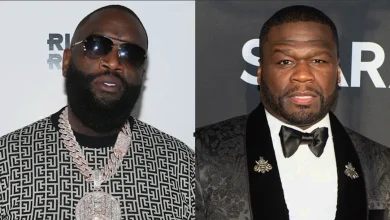
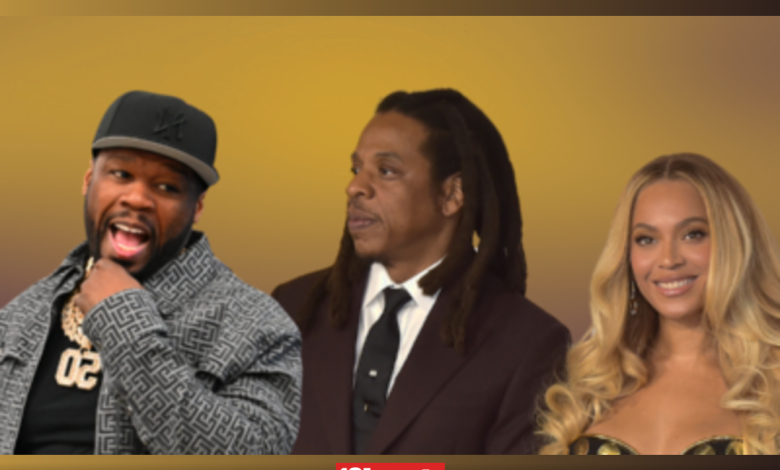
50 Cent went straight for the jugular this week, alleging that Jay-Z’s entire legacy—his hairstyles, his stadium moments, his album anniversaries—is a masterclass in manufactured perception. Speaking with comedian Andrew Schulz for Interview Magazine’s October 9 issue, Fif didn’t hedge: he went at Hov’s carefully constructed image, suggesting every major moment in the Brooklyn mogul’s career has been orchestrated to look bigger and more important than it actually was.
“We see things like the Basquiat hair,” 50 said, referencing Jay’s iconic ’90s look. “When that comes, you go, ‘No, it was intentionally grown out for a Tiffany ad.’ That’s a crazy claim.” He wasn’t done. When discussing Jay’s power moves in the touring world, 50 alleged that relationships with major tour companies have been leveraged specifically because they’re “securing the tour deal with Beyoncé.” Translation: Hov’s been riding his wife’s superstardom to elevate his own profile.
But the real fire came when 50 trained his sights on Jay-Z’s Reasonable Doubt anniversary campaign—the subway takeovers, the HBO docuseries, the three Yankee Stadium shows. Roc Nation went all-in this summer, treating the 30th anniversary like a cultural moment. 50 wasn’t impressed. “Bro, the album showed up number 23 on the chart when it debuted,” he said. “It was not a fucking big deal then. Why is it a big deal now? It’s great marketing.”
That’s a wild claim on its face. Reasonable Doubt wasn’t a chart-topper, sure. But the album became a pillar of hip-hop canon over three decades—the kind of project that grows in stature as the culture reassesses it. That’s different from manufactured hype. Still, 50 has a point about the orchestration: Jay-Z’s campaign was massive. The subway ads, the exclusive merchandise, the premium live experiences at Yankee Stadium—this was a full-court press designed to monetize nostalgia. And it worked. Nostalgia moves product in 2026.
The irony? 50 Cent understands marketing better than practically anybody in the business. He built G-Unit Entertainment on brand strategy and media savvy. He turned a shooting (2000) into a comeback narrative. He parlayed reality TV into empire-building. When 50 speaks about the mechanics of image-making, he’s speaking from expertise. He recognizes the machinery because he invented half of it.
The other irony: 50 and Jay-Z have a complicated history. They barely crossed paths in the late ’90s—Jay had links to Ja Rule and Irv Gotti, 50’s enemies, but that never sparked direct beef. For years, they maintained a frenemy dynamic: not allies, not outright rivals, just two New York hustlers watching each other’s moves. 50 even showed restraint when Jay was building The Blueprint empire in the early 2000s. But over two decades, that tension has calcified into something more—call it competitive jealousy masked as critique.
Here’s what actually matters: Jay-Z’s legacy is real. Reasonable Doubt is genuinely classic. But 50 Cent just said the quiet part out loud—that in 2026, legacy is a product. It’s not enough to have made great music 30 years ago. You have to re-launch it. You have to tell new audiences why they should care. You need subway ads and merchandise and streaming moments and live events. Jay-Z did that. And he did it better than almost anyone else in the culture.
50 Cent is mad because he sees what Jay’s doing—turning old art into new revenue—and he knows it’s brilliant. The marketing isn’t separate from the legacy anymore. It’s inseparable.
The 16BARS take: 50 Cent can critique Jay-Z’s machine all he wants, but he’s really just mad he didn’t think of it first. Both moguls built empires on media literacy. The difference? Jay-Z turned it into a Yankee Stadium moment.