
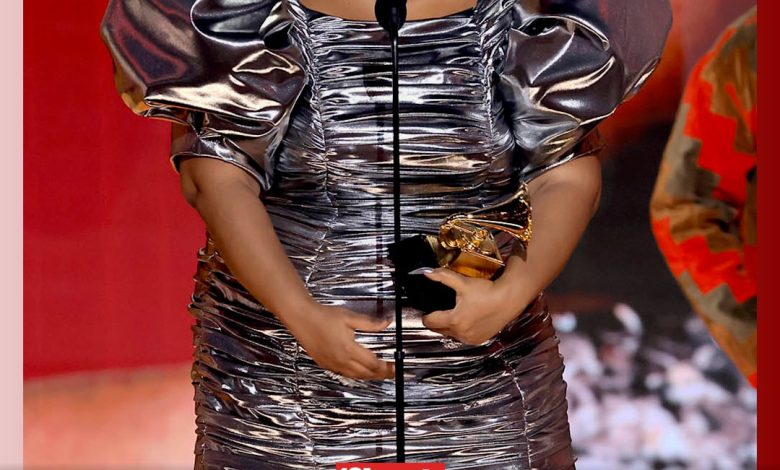
Lizzo isn’t having it.
The Grammy-winning icon just came forward to address the relentless criticism around her fluctuating weight, calling out what she sees as a deeply systemic problem: the way society—and especially the internet—polices women’s bodies with zero accountability or compassion.
This isn’t the first time Lizzo’s been caught in the weight-commentary cycle. Since she started her “intentional weight release journey” in early 2023, she’s dealt with double-sided pressure: first getting dragged for her size, then getting dragged for losing weight. Now, addressing recent changes to her body, she’s reframing the entire conversation.
“I’m tired of being a punchline either way,” is basically the energy. And she’s right to call it out.
What makes this moment different is how Lizzo is naming the structural problem, not just responding to individual comments. She’s talking about an “oppression” baked into how women—especially Black women—are treated when it comes to their physical form. Jessica Simpson faced it in the 2000s. Adele went through it. But for Lizzo, who built her entire brand on body confidence and radical self-love, the hypocrisy hit different.
Here’s the thing: Lizzo never said weight loss was a moral requirement. She never told her fans to hate their bodies. Lizzo took to Substack on Nov. 24 to pen a powerful essay addressing the public’s perception of her recent weight loss and the recent cultural shifts in the body positive movement. The 37-year-old explained how many people have judged her for slimming down since she has always been a musician who “sang about self-love.” In reality, however, Lizzo said she never set out to be skinny.
What she DID do was make a personal health decision—one rooted in “an intentional weight release journey” for about a year and a half, initially because she’d been suffering from weight-related back pain—and suddenly she’s the sellout? The hypocrite? The traitor to “fat culture”?
That’s the system she’s calling out.
“We’re in an era where the bigger girls are getting smaller because they’re tired of being judged. And now those bigger girls are being judged for getting smaller by the very community they used to empower,” she wrote. That’s not a personal attack on anybody. That’s a structural indictment.
Lizzo also pointed out something critical that gets lost in the discourse: plus-size models are “no longer getting booked for modeling gigs.” “We have a lot of work to do, to undo the effects of the ozempic boom,” she wrote. The Ozempic moment has reset beauty standards entirely. Suddenly, everyone’s “lean.” The conversation around her body isn’t isolated—it’s happening in a moment when the entire fashion and entertainment industry has pivoted.
What’s real here is that Lizzo is refusing to shrink (pun intended) into a neat narrative. She’s not “choosing one side.” She’s not saying bigger is better or smaller is better. She’s saying: Let women exist. Let women change. Let women move through the world without being weaponized for clicks.
Lizzo stressed that true body positivity means allowing yourself to evolve. The philosophy demands flexibility and continued acceptance through every phase of physical change, whether that means getting bigger, smaller, or simply different from what you were yesterday.
That’s actually revolutionary in a discourse that’s gotten meaner, not kinder.
The 16BARS take: Lizzo’s calling out the real enemy—not thin girls, not fat girls, not dieting or body positivity itself, but the system that profits off women’s insecurity either way. We should’ve listened the first time.