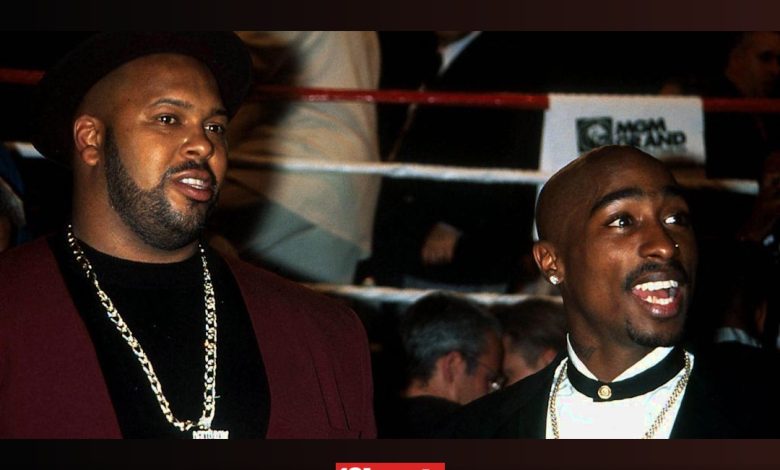
Nearly 30 years after the drive-by that changed hip-hop forever, the jury in Duane “Keffe D” Davis’ murder trial finally heard the endgame today: closing arguments in Las Vegas that boil down to one brutal fact pattern. The prosecution says Davis—the so-called “shot caller”—orchestrated Tupac’s killing. The defense says there’s not a shred of physical evidence tying their 63-year-old client to the crime. Jury deliberations began this afternoon, and the culture is watching.
Let’s set the stage: September 7, 1996. Tupac walks out of the MGM Grand after catching Mike Tyson fight and gets into a lobby brawl with Orlando “Baby Lane” Anderson, a South Side Compton Crip—over a chain snatch that happened months earlier. Three hours later, a white Cadillac pulls up beside Tupac’s BMW on the Las Vegas Strip. Four shots. Tupac dies six days later, age 25. The case goes cold for 27 years.
Then Davis started talking. A 2008 police interview. A 2018 BET documentary. His 2019 memoir “Compton Street Legend” spelling out details—how he orchestrated retaliation for the beating, how he got the gun, how it all went down. Prosecutors framed his own words as “gold-star evidence,” arguing that the memoir is basically a confession: Davis was in that Cadillac, calling the shots, his nephew Anderson in the backseat with the pistol. Deputy District Attorney Binu Palal pointed out at closing that “Davis’s statements make no sense as a lie,” hammering the jury with 18 years of Davis bragging to anyone who’d listen.
But here’s where it gets messy. Davis’ defense attorney Michael Sanft flipped the script hard: there is literally no physical evidence—no wiretaps, no phone records, no surveillance video, nothing—proving Davis was even in Las Vegas that night. More: Davis recently changed his whole story, claiming he wasn’t there at all when the shots were fired. Sanft argued the prosecution has nothing but Davis’ own shifting words, and the state can’t prove otherwise. The jury saw 28 witnesses over two weeks. The prosecution’s case leans almost entirely on Davis’ admissions—his interviews, his book, his decades of street bragging that the defense now says was just him playing a character.
Context matters here. Orlando Anderson died in 1998—killed in a separate Compton shootout before ever being charged in Tupac’s murder. So Anderson can’t defend himself or testify. Davis, on the other hand, has been held without bail since his September 2023 arrest, the first and only person ever criminally charged in this case. Prosecutors claim he was the “on-ground, on-site commander” who planned the retaliation for his nephew’s beating. But the law requires proof beyond reasonable doubt, and if it comes down to “Davis said he did it, then said he didn’t,” the jury has to decide which story (if either) holds up.
Why this matters right now: The Tupac case is hip-hop’s most famous cold case—it defined an era, spawned conspiracy theories, created a split between coasts that shaped the whole industry. Thirty years with no accountability. If Davis gets convicted, it’s closure the culture’s been waiting for since 1996. If he walks, it’s another gut punch: the case stays unsolved in the legal sense, and all those questions about who really pulled the trigger stay alive. The jury is deliberating, and we’re about to find out if Davis’ own mouth sinks him or if the state’s circumstantial evidence just isn’t enough.
The 16BARS take: Tupac’s case has always lived in the shadow of “maybe we’ll never know.” Today, the jury got handed a defendant who essentially confessed on camera, in books, in documentaries—then flipped and said he’s innocent. That’s a legal nightmare either way: conviction looks like prosecuting someone based on his own admissions with no physical corroboration; acquittal looks like letting the guy who spent 27 years bragging about the murder walk free. One way or another, hip-hop finally gets an answer.